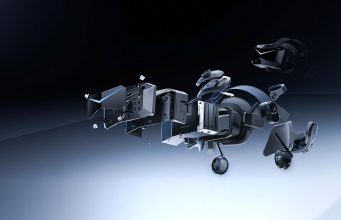
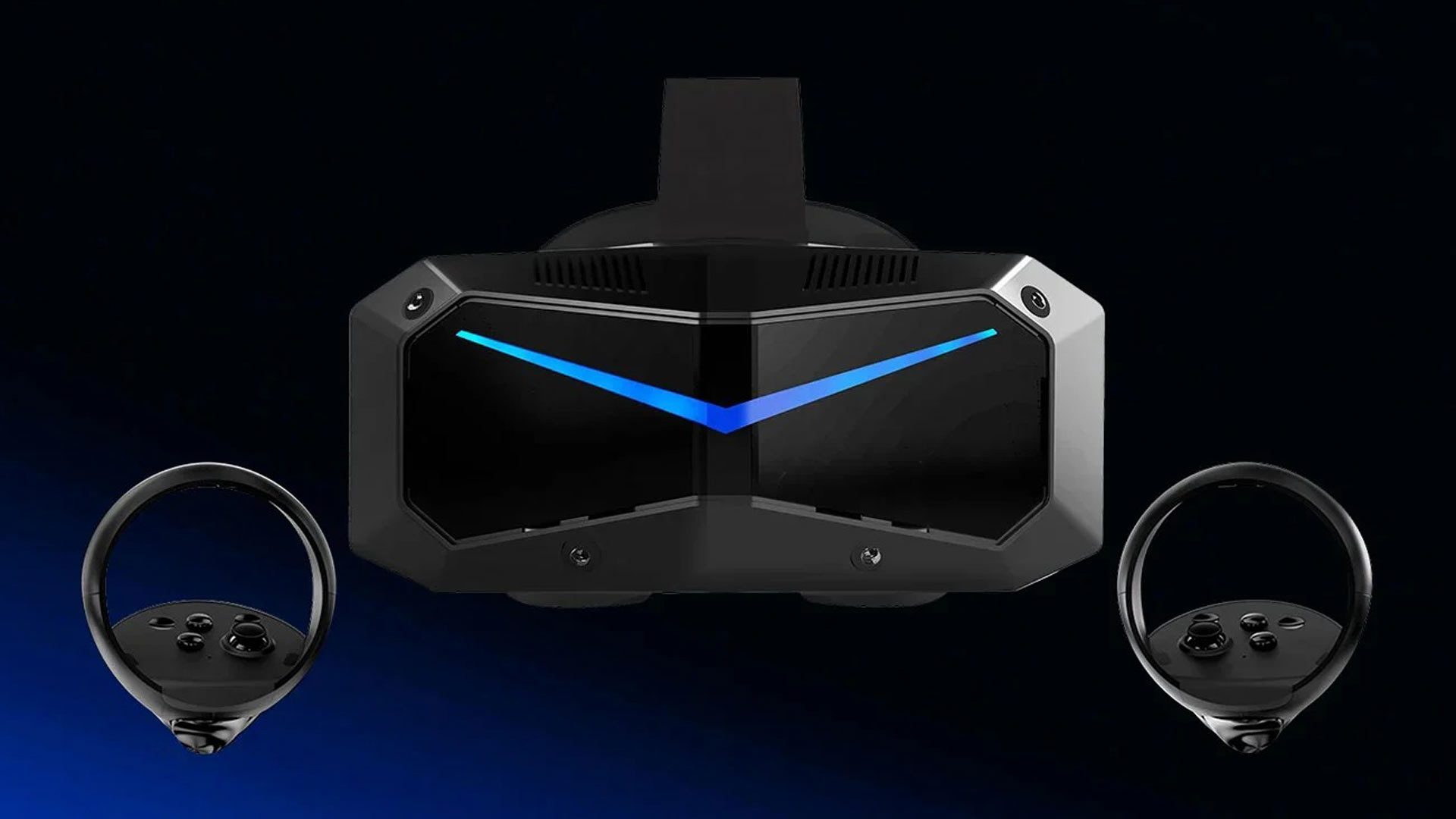
Pimax recently announced it was being forced to change a key component in all Crystal Super PC VR headsets and display accessories moving forward, effectively making one of VR’s most modular headsets decidedly less so.
The News
Crystal Super is renowned for being highly modular thanks to its ability to swap optical engines, which includes a 50 PPD, 57 PPD, micro-OLED, and ultrawide (140° FOV) modules.
Launched just last year, Crystal Super initially shipped with a custom 70-pin connector, which married up to all of those accessories on offer. Simply swap out a module, and you suddenly have a PC VR headset with a higher pixel density, better clarity, or wider field-of-view.
Now, Pimax says in a blog post its supplier for those 70-pin connectors is discontinuing the part, which has left the company in the lurch, forcing it to change the key component that made its optical display ecosystem so modular in the first place.
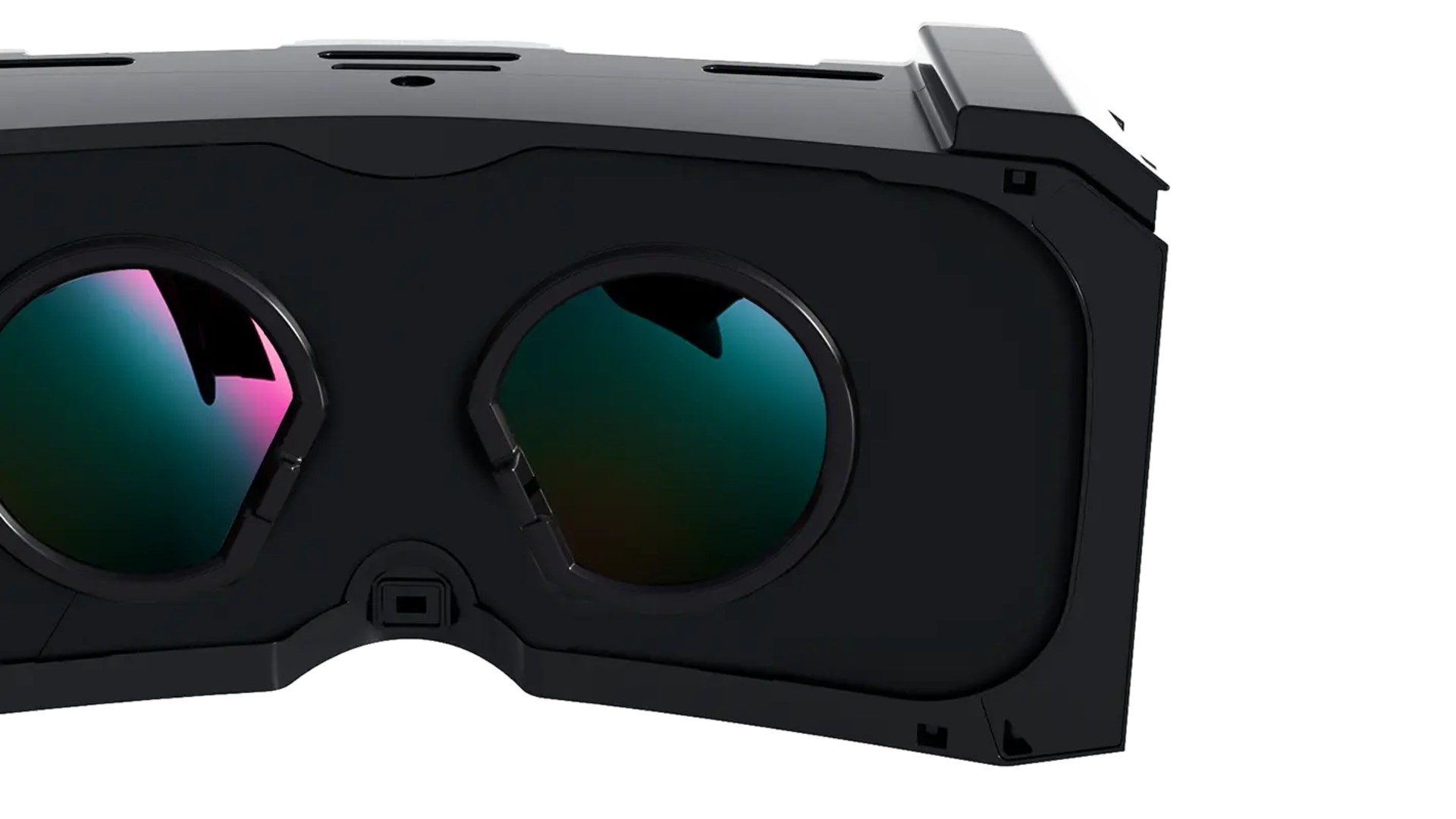
In the blog post, Pimax says it’s now allocated “all remaining stock of this connector to the Crystal Super to ensure compatibility with all optical engine variants,” noting that there will now be two (incompatible) variants of the Crystal Super in production and circulation.
Pimax says it’s going to ameliorate this by matching headsets and optical engines at the time of purchase, which it’s doing both from the factory with full kits and by matching user-provided headset serial numbers when headset owners return to buy single modules.
While Pimax bought all of the last remaining stock of those original 70-pin connectors and maintains it has “ample inventory”, it’s admittedly a number that will only get smaller. Pimax’s Head of Communication Jaap Grolleman is optimistic though that supplies will last.
“Based on previous headset sales and survey data (and sales estimations), we think we have enough stock to supply current (70-pin) Crystal Super owners with matching optical engines throughout their product lifetime,” Jaap Grolleman tells Road to VR.
“This was also one of the reasons why we delayed the Crystal Super Lighthouse, as that model swapped the 70-pin for a USB-C connector—and it’s also one of the reasons that now new Crystal Super headsets are produced with the new pin; to keep enough stock of the 70-pin for optical engine production for those owners,” Grolleman says.
A very real wrinkle in all of this: there’s no visual indicator of which pin style you might have just by looking at it, which puts the onus entirely on the user. Although Pimax’s solution is to simply provide the headset’s serial number when ordering directly from the company, that makes buying on the secondhand market a bit more tricky.
“There is no visual difference (and no performance difference), although the pins have a different width. Telling them apart is very difficult for users unless the optical engines are directly compared side by side,” Grolleman says.
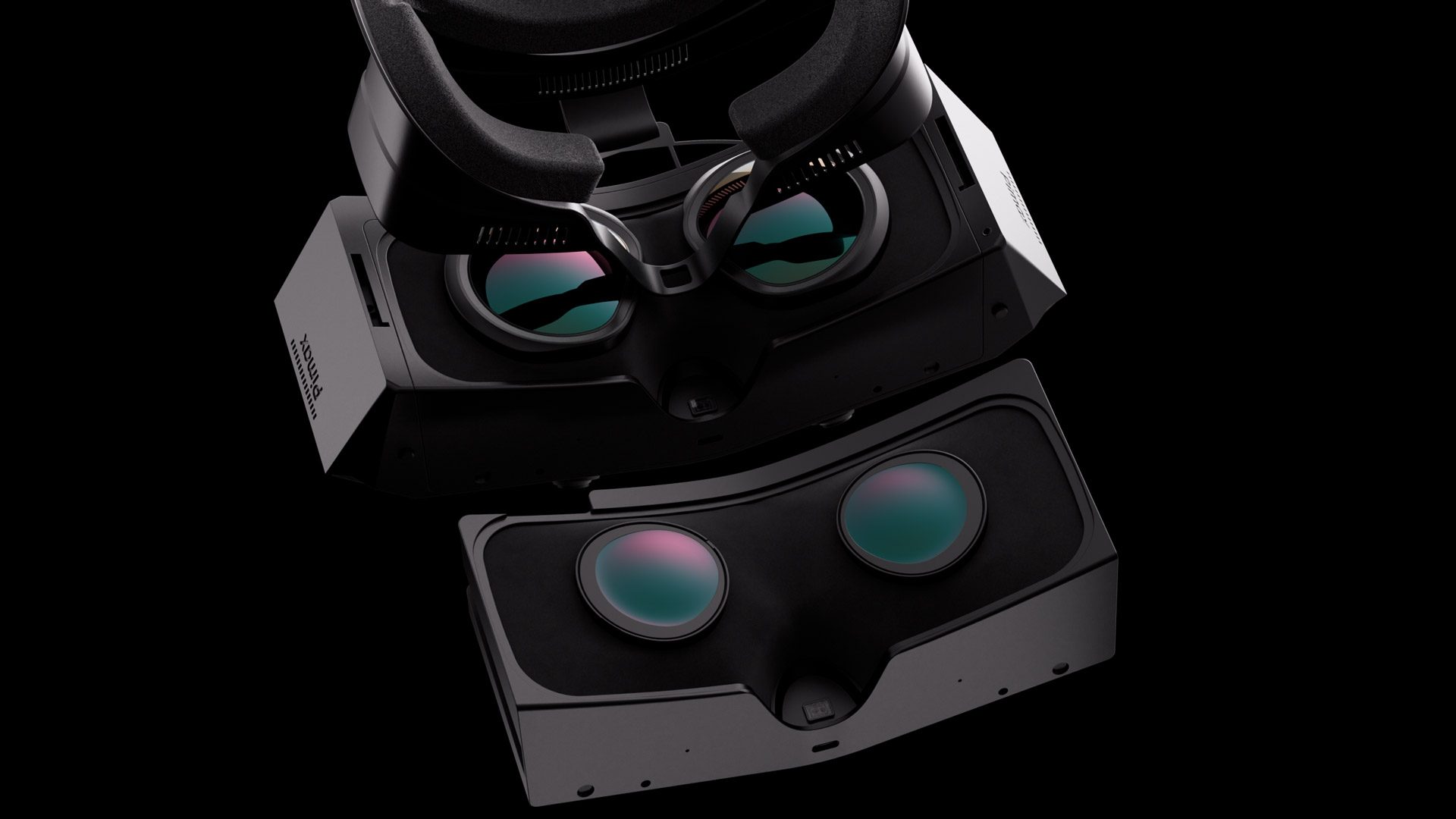
Notably, Pimax says you can contact them when encountering compatibility issues with secondhand modules, although that’s going to have to be after the fact since it’s so difficult to tell between the two. Pimax hasn’t said whether more modular optical engines are on the way besides the ones already released.
That said, the pin connector switch is not entirely out of the blue, as the company warned users late last year that sourcing the 70-pin connector could be an issue. Still, Grolleman says around 10 to 20 optical engines with the new connector pin were shipped prior to the company’s announcement, which was released on Monday.
“We knew this change would come in the future, but with multiple teams working in parallel, there was an information gap and the first batch had already been shipped out. We’ll do an internal review, and we’ll also contact these users as soon as possible,” Grolleman says.
My Take
The question isn’t whether this all leads to fragmentation, resale risk, or consumer confusion for Crystal Super, because it plainly does. It’s whether Pimax users are willing to continue to invest in a modular ecosystem that’s been so uncomfortably split mid-generation.
I can’t answer that question for you, although I can highlight this: we don’t know whether the company has plans for more optical engines, which could make issues worse for users with a 70-pin connector headset, as it will strain supplies even further. We also don’t know how long the company expects to produce Crystal Super before it goes onto its next big gamble. And if there’s one thing I’ve learned about Pimax over the past decade, there’s always something new on the horizon.
Which is weird. If any other company absolutely borked sourcing a key component like Pimax did with its linchpin connector—undoubtedly putting a big asterisk next to the word “modular” when talking about Crystal Super—it would be a serious sign that something is wrong. But for Pimax, these sort of perpetual teething issues just seems like the price of innovation. So, I just can’t say I’m surprised.
The post One of VR’s Most Modular Headsets Gets a Little Less Modular Following Key Component Switch appeared first on Road to VR.